
September 19, 2025 — Washington, D.C.
In a sweeping move aimed at reshaping U.S. immigration policy, President Donald Trump has announced a new $100,000 fee for H-1B visa petitions paid once. The new requirement, which applies to both new applications, takes effect on September 21, 2025, at 12:01 a.m. ET.

What the Executive Action Means
The H-1B visa has long been a source for U.S. employers hiring foreign talent in specialty occupations, particularly in science, technology, engineering, and math (STEM) fields. Traditionally, costs were limited to application fees, compliance filings, and attorney expenses paid by employers.
PresidentTrump has framed the fee as a necessary step to curb abuse of the program and encourage companies to prioritize American workers.
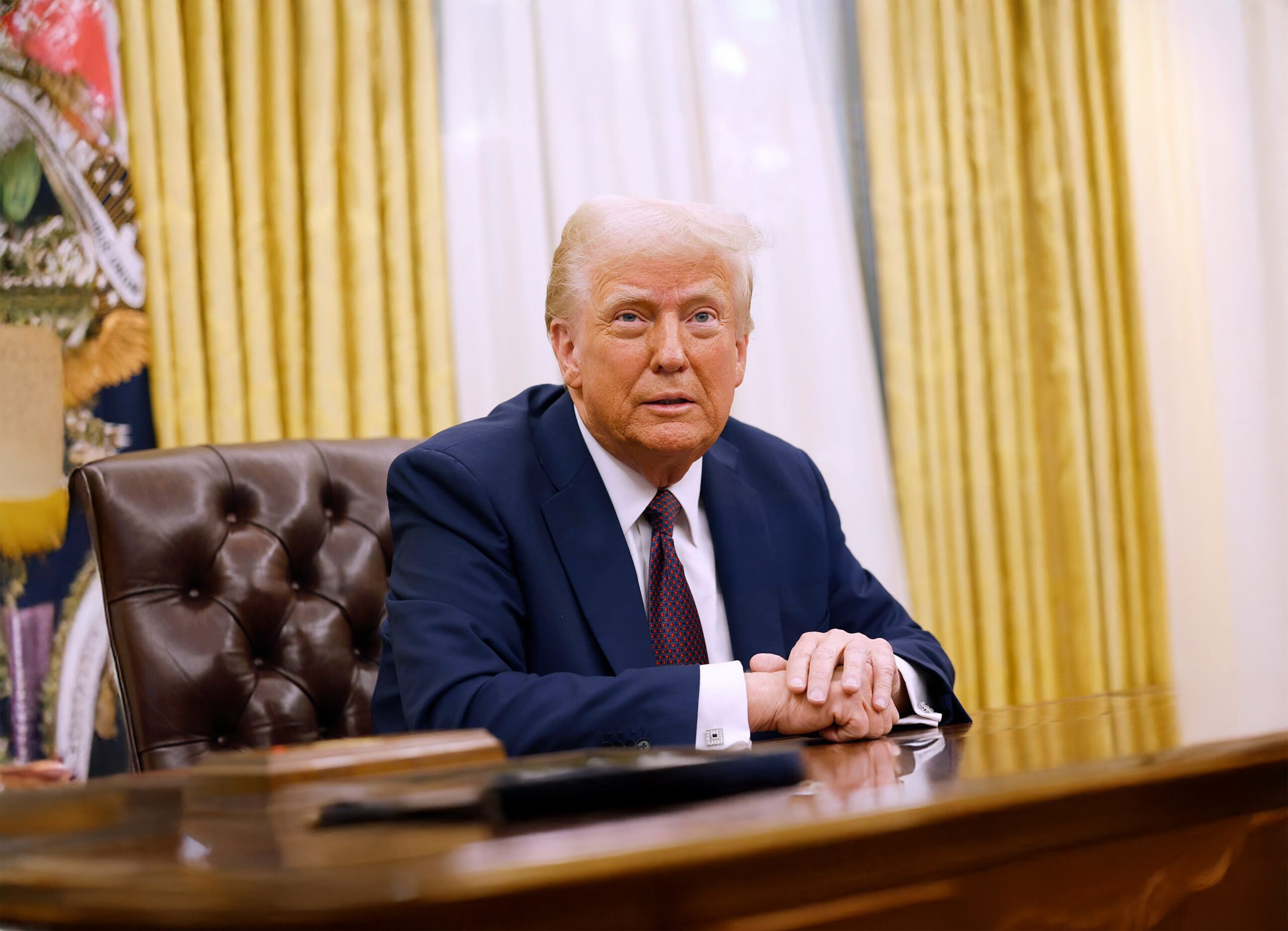
“We need great workers, and this pretty much ensures that’s what’s going to happen,” Trump said from the Oval Office when making the proclamation.
Commerce Secretary Howard Lutnick added that the measure is designed to act as an employment filter:
“Is the person valuable enough for the company to pay $100,000 to the government, or should they head home and you hire an American?”
White House Justification
According to the Trump administration, the fee addresses what it calls long-standing abuses of the H-1B system, citing issues such as:
- Artificial wage suppression
- Displacement of American workers
- Increased foreign labor dependence
- National security risks
The proclamation also empowers the Secretary of Labor to update prevailing wage levels and prioritize high-skilled, high-paid applicants, while the Secretary of Homeland Security has the authority to grant exemptions in cases of national interest.
Impact on U.S. Employers
Immigration experts warn the new fee could have far-reaching consequences, particularly for startups, nonprofits, and smaller businesses that depend on specialized talent not readily available in the domestic workforce.
Before this policy, employers already paid a complex mix of fees, including:
- $215 H-1B registration fee
- $250 Visa Integrity Fee
- $780 (paper) or $730 (online) Form I-129 filing fee
- $500 Fraud Prevention and Detection fee (with limited exemptions)
- $4,000 surcharge for employers with a high ratio of foreign workers
- ACWIA fees of $750–$1,500, depending on company size
The new $100,000 surcharge altering the economics of the H-1B visa program.
EB-5 Community Reacts
H-1B visa holders are a significant group of applicants who eventually turn to the EB-5 Immigrant Investor Program to secure permanent residency after their six-year work limit.
H-1B vs. EB-5: Two Very Different Paths
While both visas are tied to America’s workforce and economy, the new H-1B fee highlights the contrasting structure of the EB-5 program:
Cost:
H-1B now requires employers to pay $100,000 once per new petition.
EB-5 requires an investment of $800,000 in a TEA project or $1,050,000 in other areas, with funds directed into business ventures.
Residency:
H-1B provides temporary non-immigrant status, capped at six years.
EB-5 offers a direct pathway to a U.S. green card and eventual citizenship.
Control:
H-1B sponsorship depends on the employer’s willingness to bear the costs.
EB-5 is investor-driven, with benefits extending to the applicant’s spouse and children under 21.
The Bottom Line
The new $100,000 fee changes the budgeting for U.S. employers and foreign workers. While it is expected for larger corporations to continue sponsoring limited numbers of foreign employees, smaller businesses may struggle to compete. For individual workers, the new fee could influence their decision to transition to the EB-5 program as a more alternative for those seeking permanent residency in the United States.
This article is for informational purposes only and does not constitute legal, financial, or investment advice. Immigration policies and fees can change; verify current requirements with official government sources. Consult a qualified U.S. immigration attorney for advice specific to your situation.